The missing funding bridge in education
Education was once one of philanthropy’s most compelling priorities.
In the 2010s, it was a clear funding priority. A 2010 Philanthropy Australia survey found that over 64% of members prioritised education. With approximately 5,000 trusts and foundations in Australia distributing around $1 billion annually, a significant proportion was directed toward education.
Government followed accordingly. Between 2015 and 2016, $128 million was invested to build ten specialised Tech Schools focused on STEM innovation. Philanthropy supported scaling innovative models, there was momentum around teacher support, innovation in learning, and — importantly — the transition from school into work and further study.
There was energy around solving the bigger system problem.
But that energy has shifted.
Where has the focus moved?
Recently, philanthropy has rightly concentrated on early childhood.
In April 2022, philanthropic leaders gathered to explore how to better support children, families, and communities. That conversation evolved into the Investment Dialogue for Australia’s Children - a 10-year partnership between the Commonwealth and philanthropy, including $65 million aligned to improving early childhood and family wellbeing.
Few would argue against the importance of the early years. The logic is compelling: intervene early, strengthen families, and prevent disadvantage before it compounds. Evidence consistently shows that early intervention delivers long-term returns - socially and economically.
But in concentrating our attention upstream, we have gradually thinned investment in the years that follow.
The Missing Bridge
Child development theory consistently tells us that there are three critical developmental windows in a young person’s life.
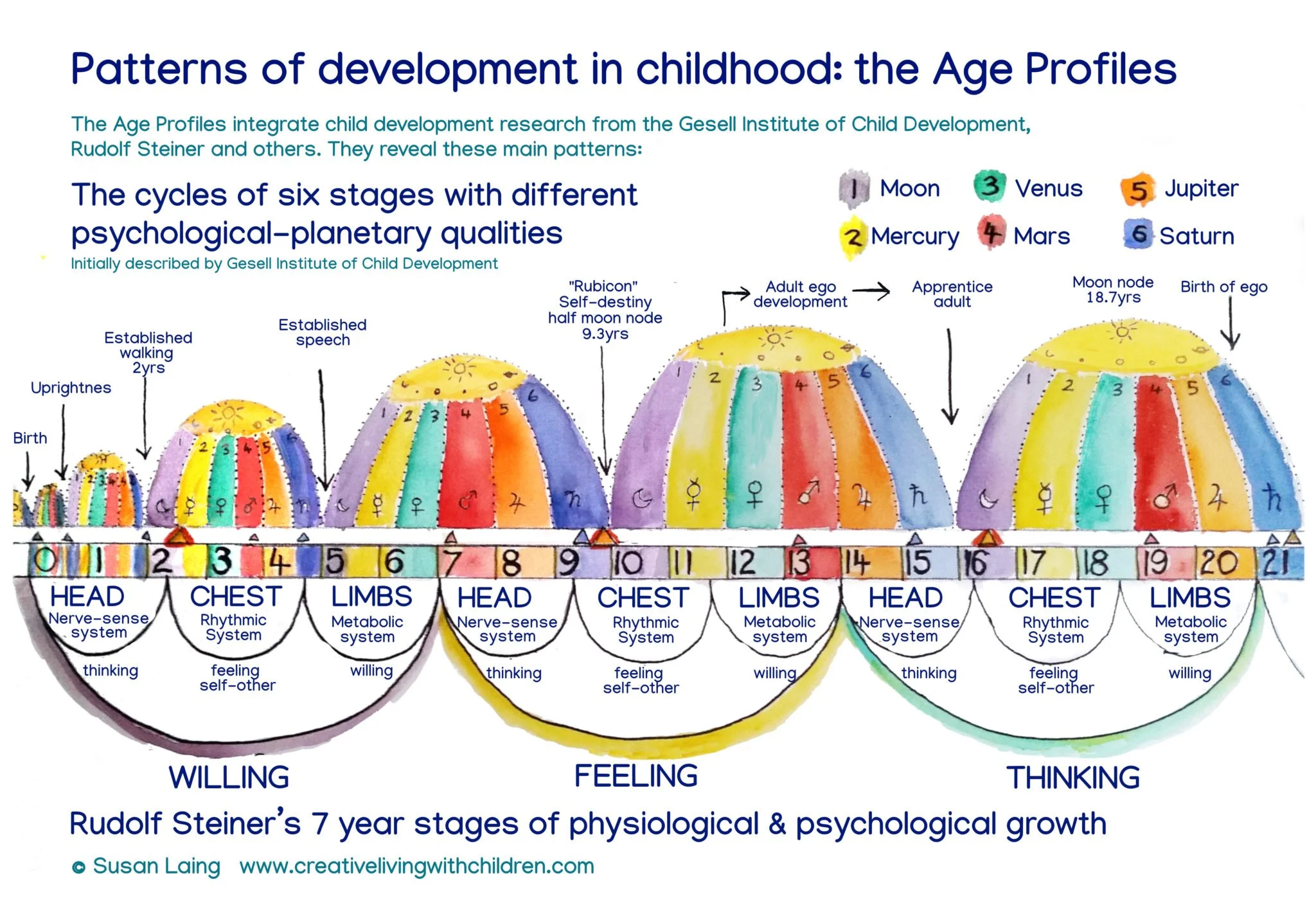
Steiner described these as seven-year rhythms: from 0–7 the will predominates, from 7–14 the feelings predominate, and from 14–21 thinking comes to the fore. Modern psychology echoes a similar progression:
0–7 years — foundational attachment, emotional regulation, and core cognitive development
7–14 years — social identity, confidence, and belief formation
14–21 years — identity consolidation, aspiration setting, and life-direction decisions
Philanthropy has rightly concentrated on the first two stages - early childhood and primary education. Early interventions improve long-term outcomes in education, health, and employment. These investments build stability and cognitive readiness.
But the third stage, ages 14-21, where a young person’s identity solidified, receives far less strategic attention. This is the period when young people begin asking:
Who am I?
What am I capable of?
Where do I belong?
What future is available to me?
Without strong transition support during these years, potential stalls in ways we can see. Students drop out of school, delay tertiary study, or settle for part-time, low-wage work. They miss mentors, internships, and introductions that could open doors.
We invest heavily in the foundation. We measure the outcome. But we are underinvesting in what connects early capability to adult opportunity.
This is the missing developmental bridge.
Why does this matter now?
School-to-adulthood transitions have always mattered. Today, they are more urgent than ever.
Firstly, the world of work is changing faster
than ever before.
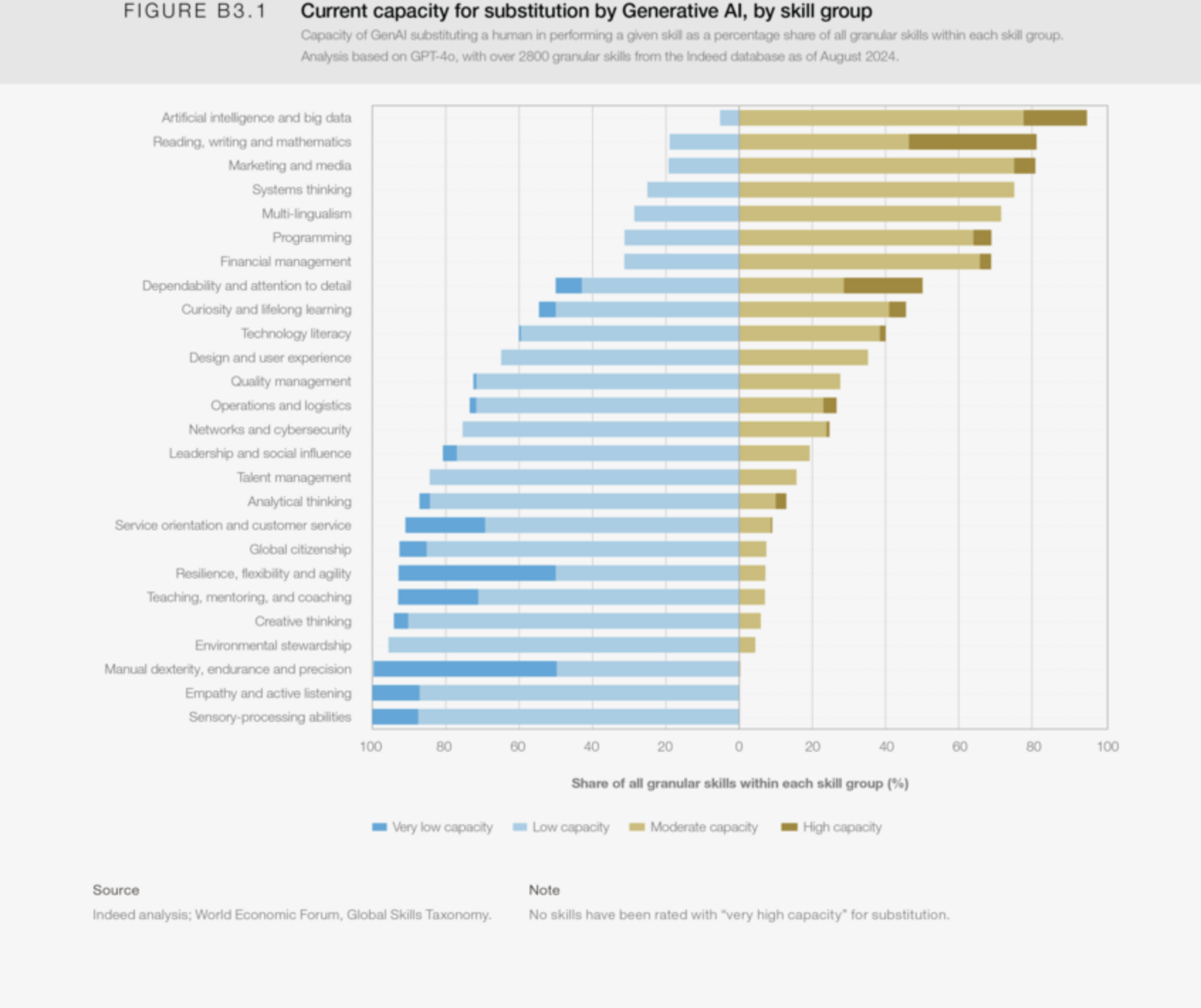
Artificial intelligence is reshaping industries in real time. The World Economic Forum estimates that 44% of workers’ core skills will change within five years.
Entry-level roles are being automated or redesigned at speed.
Young people are not choosing from a fixed set of careers. They are choosing into a moving system. Without exposure to emerging industries, they default to what is familiar - even if those roles are shrinking.
Second, pathways are no longer linear.
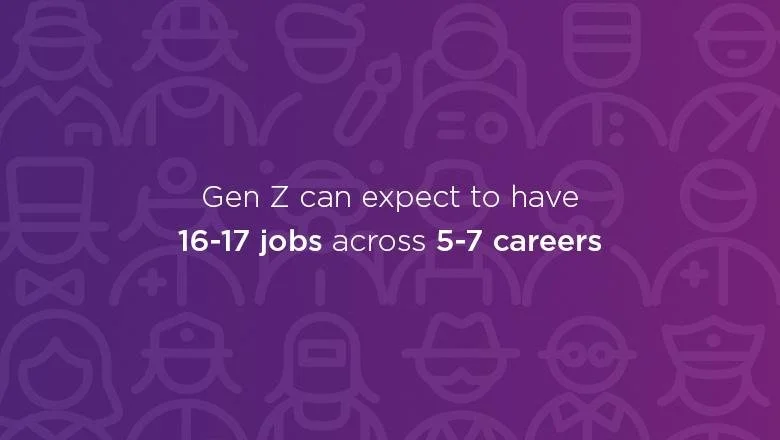
Research from the U.S. Bureau of Labor Statistics shows that the average worker now holds at least 12 jobs over their lifetime, with younger generations expected to move even more frequently. The old formula - school, degree, single profession - is fragmenting.
Credentials, sectors, and entry points are more diverse than ever. But more options do not automatically create better outcomes.
Without transitionary guidance, decision-making becomes reactive: some narrow aspirations to what feels safe, others delay decisions altogether.

Third, networks increasingly determine opportunity.
Today, over 70% of jobs are never publicly advertised, forming a “hidden job market” accessed primarily through professional networks, referrals, and internal hiring. Access to opportunity often begins with who you know.
Yet networks are inherited unevenly. Young people from well-connected families absorb industry knowledge passively. Others rely entirely on formal systems — and those systems are thinnest during the transition years.
When the economy becomes more network-driven, and we fail to build networks for those without them, inequality compounds.
Together, these shifts mean that the 14–21 window is not just another stage in development. It is where potential either solidifies into real pathways, or where inequity accelerates if we fail to intervene.
Conclusion
Early intervention matters.
We can stabilise early development and teach every child to read fluently and calculate confidently. But if we do not support young people to navigate a rapidly changing, non-linear, networked economy, those investments stall at the point of transition.
If we are serious about reducing intergenerational disadvantage, we cannot stop at school readiness. We must invest in pathway readiness — and in education that reflects the world young people are entering. That means:
Modernised secondary education aligned to emerging sectors
Career exposure and structured exploration programs
Deliberate network-building for those without inherited access
The early years build potential. The transition years determine whether that potential is realised - or lost.
Right now, we fund the foundation.
It is time to fund the missing bridge.