Why Gen Z is looking to AI for therapy
AI chatbots like ChatGPT aren’t just for quick answers anymore.
Increasingly, young people are using them to process feelings, sort through thoughts, and get emotional support.
For 21-year-old Dennis Han, heartbreak sparked an idea. After getting dumped and finding therapy unaffordable, he turned to ChatGPT to work through his own problems. In 2024, he created Calmi, an AI therapist designed for Gen Z. Within months, it had over 100,000 active users worldwide, mostly aged 16 to 24 - a clear signal that young people are craving safe, accessible ways to be heard.
but why is ai so compelling?
1. The Burden of Care
Humans aren’t limitless.
When we talk to friends about our problems, it’s easy to start strong, but after a while, fatigue sets in. By the fourth hour of them listening, you might start feeling guilty: “Am I asking too much? Am I overwhelming them?” That feeling that you’re becoming a burden is what I call the burden of care.
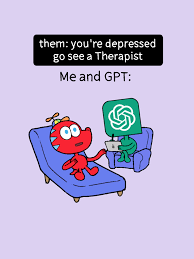
Research shows that 62% of young adults experience this.
They hold back from sharing emotional burdens with friends, not because they don’t need support, but because they worry about overloading them.
Today’s AI therapist doesn’t have this limitation.
It can listen endlessly, without judgment or fatigue, and it doesn’t need breaks or reassurance. For Gen Z, who are navigating increasingly high-pressure lives, this unlimited capacity makes AI companions uniquely appealing.
They can offload their thoughts and emotions without worrying about inconveniencing anyone—a type of connection that human relationships often can’t sustain.
2. Privacy Matters
Connection only works when it feels safe.
In a world of growing distrust of governments, institutions, and even peers, Gen Z is cautious about who they open up to. Therapy is often sought because it provides a private, confidential space, but not everyone can access it, and not everyone trusts it.
According to a 2022 Deloitte report, 71% of Gen Z say they are concerned about data privacy, compared to 56% of Millennials. With screenshots and digital recordings, it’s easy to worry that your private thoughts could end up public.
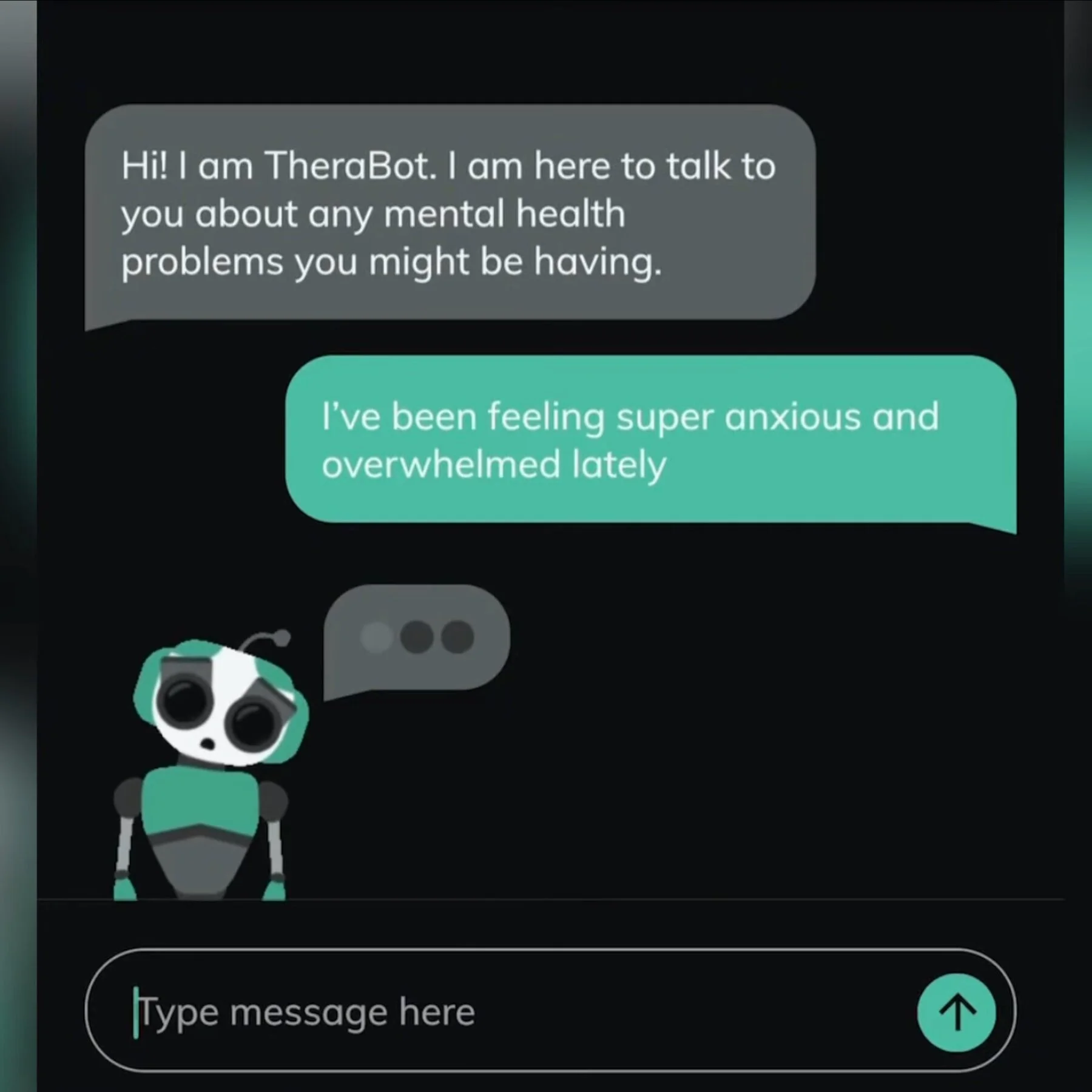
AI therapists offer a new kind of privacy.
One-to-one chats exist only on your screen. You control them. You prompt them. They don’t judge, share your secrets, or keep tabs on you.
For a generation used to surveillance, data leaks, and judgment, this perception of safety is powerful. It allows young people to explore their thoughts and feelings freely, without fear of gossip, misunderstanding, or exposure.
3. Making Friends Is Harder Than Ever
Gen Z is widely called the loneliest generation, and there’s a reason for it: making friends today is harder than it used to be.
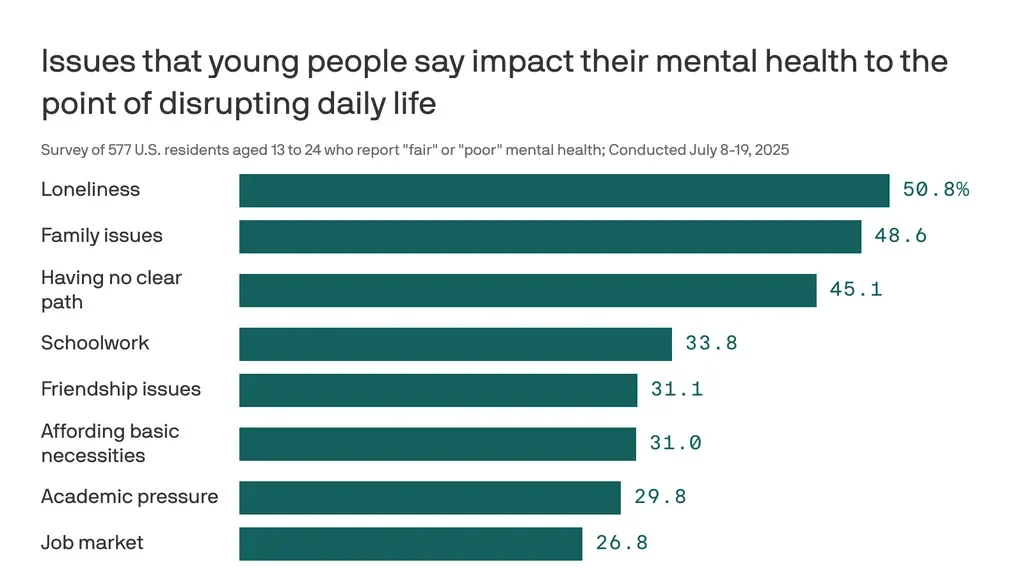
Online convenience has increased friction for in-person connection. Why travel to meet someone when you can FaceTime or DM? Post-COVID, many young people realized they could survive - and even thrive -without constant face-to-face interaction.
Moreover, workplaces still operate remotely, prioritising efficiency over connection. Melbourne leads in remote work, with 65% of Victorians working from home to some extent, and 47% doing so regularly.
AI companions fit into this new reality. They provide a low-friction way to be heard and understood, filling gaps where human connection is scarce or exhausting.
For Gen Z, technology isn’t just a convenience, it’s a tool for bridging the social and emotional gaps in a world that often feels isolating.
conclusion
Gen Z has a deep hunger for connection in a world that often feels isolating, high-pressure, and fragmented.
AI companions like Calmi aren’t a replacement for human relationships, but they show how technology can fill gaps where traditional support falls short: providing privacy, consistency, and a space free of guilt or judgment.
The popularity of AI therapy also highlights a broader point: young people need more safe, accessible spaces to be heard and understood. What could new technology, community programs, or redesigned mental health services look like? And how can we rethink human connection?
For Gen Z, the tools they turn to today are already shaping the way we think about human connection tomorrow.