The Rise of the Portfolio Career
Work is no longer linear — and treating it as if it is may be one of the biggest career risks today.
For decades, success followed a predictable path: one job, one employer, gradual progression. That model is breaking down. In its place, we’re seeing the rise of the portfolio career, and it’s reshaping how people build skills, earn income, and define success.
What does the world look like today?
Young people entering the workforce today are expected to hold up to 14–17 different jobs over their lifetime, according to the U.S. Bureau of Labor Statistics and the World Economic Forum. This isn’t a passing trend, it’s a structural shift in how careers are built.
Meanwhile, inflation has reached levels not seen in four decades across most OECD countries, rapidly increasing the cost of living. Essentials like housing, food, and healthcare are consuming a larger share of monthly incomes, making a single salary increasingly insufficient for financial security.
McKinsey reports that up to 30% of the global workforce already engages in some form of independent or freelance work. Stability is no longer found in a single role or employer — it’s created through diversification.
Generalist vs specialist
In the 2010s, specialisation was a reliable strategy. Deep expertise in a narrow function often led to job security and career advancement.
Today, roles evolve faster than job descriptions. The World Economic Forum reports that 44% of workers’ core skills are expected to change within five years, putting a premium on adaptability over depth alone.
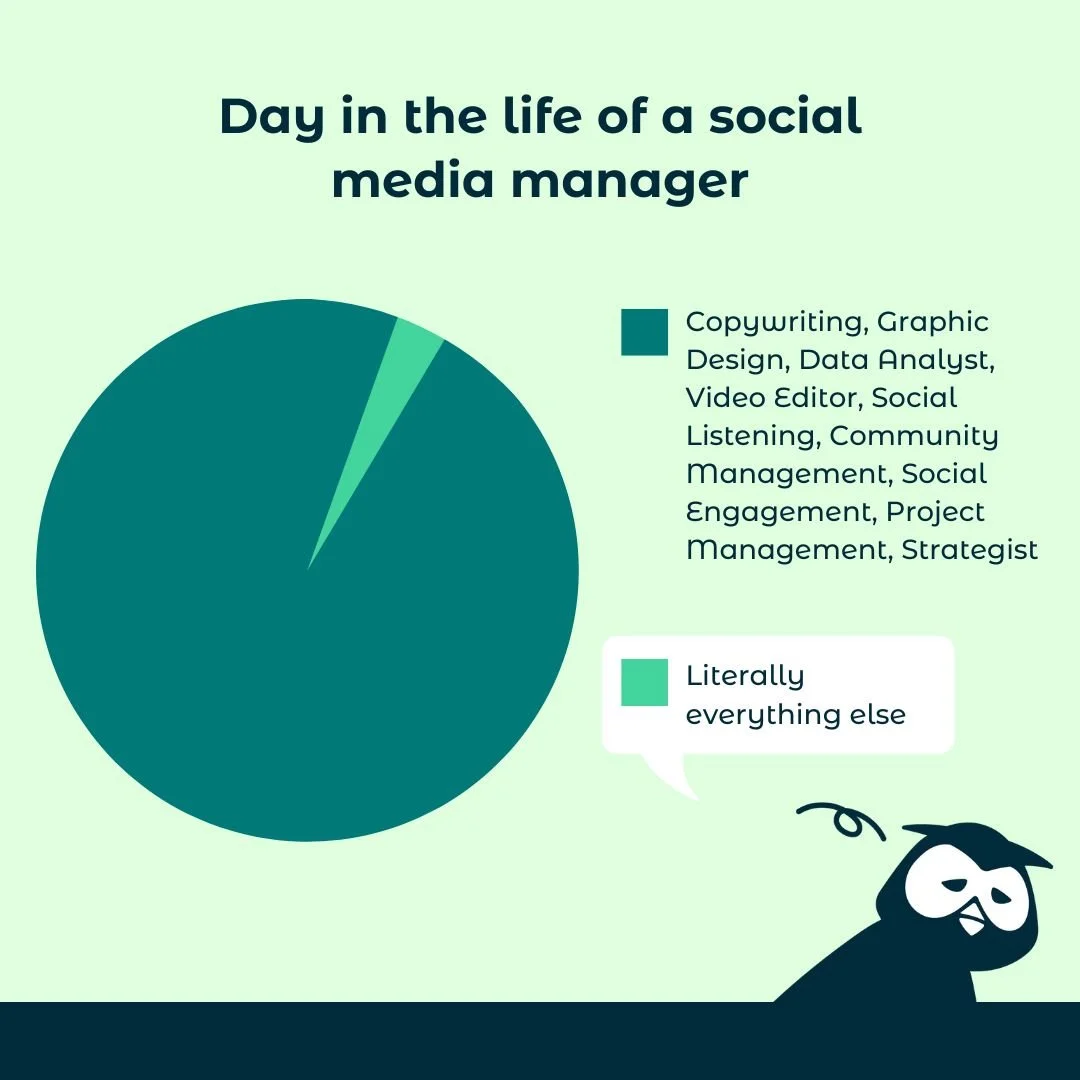
Consider a few examples:
A social media manager once focused on scheduling posts, but now often handles video production, copywriting, campaign strategy, analytics, and platform fluency.
A financial analyst may need to interpret data for business decisions, communicate insights across teams, and implement automation tools.
In short, jobs are broadening, and no single specialisation covers everything a role demands. Many professionals are already becoming de facto generalists, learning and applying multiple skills across tasks and projects.
The same forces that push people to become generalists create the perfect conditions for a portfolio career.
So, what is a portfolio career?
A portfolio career is often misunderstood as "having multiple jobs." In reality, it's about building multiple ways to create value - some paid, some strategic, some long-term.
A modern career portfolio can include:
Core employment
A full-time or part-time role that provides stability, learning, and institutional context.Freelance or contract work
Project-based work that builds optionality, income diversification, and exposure to different industries or problems.Advisory or consulting work
Offering expertise to startups, founders, or teams - often on a retainer or short-term basis - without the commitment of full-time employment.Creative or content-based work
Writing, podcasting, video creation, newsletters, or social media content that builds visibility, credibility, and long-term career leverage.
Together, these elements form a portfolio that is resilient, flexible, and portable. It allows individuals to move between opportunities, industries, and life stages without starting from scratch.
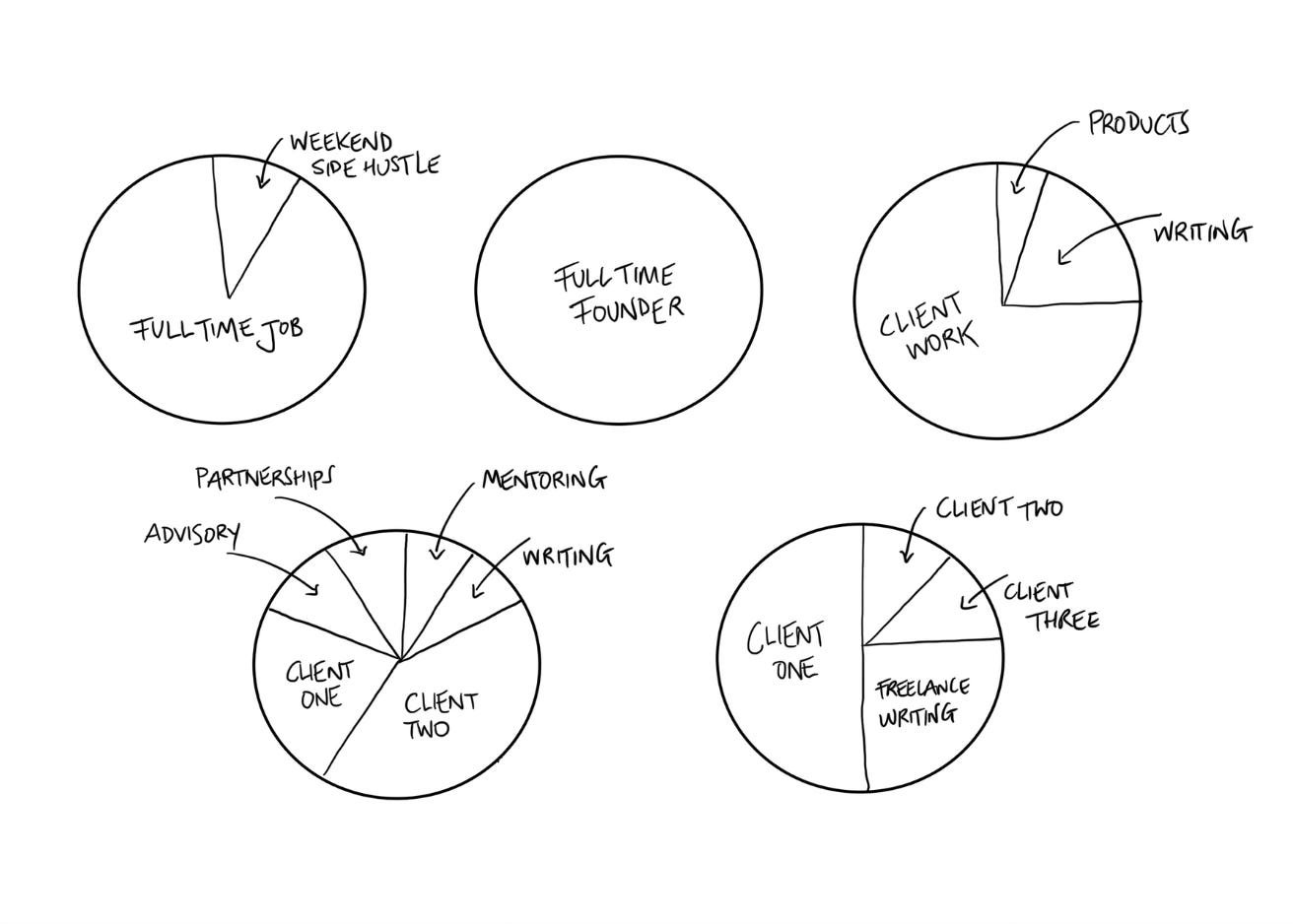
Diagram: Anna Mack’s Substack
For example, a software engineer might work full-time at a tech company, while running a niche blog on deeptech or newsletter read by around 1,000 people. They might build specific technical area, which leads to advisory at Fortune 500 companies or short-term consulting with startups.
What does this mean for companies?
Portfolio careers are not just a trend, they are a structural shift in how work is done. People are juggling multiple roles, projects, and income streams, and AI and automation are changing what skills are needed in every job.
If companies ignore this, they risk losing top talent to more flexible organisations or to individuals who go independent. Here’s what leaders can do:
Redesign roles for evolving skills. Jobs are no longer static. Build positions that can grow and change over time, allowing employees to take on new responsibilities and apply multiple skill sets.
Offer competitive pay and benefits. With rising costs of living and more unpredictable career paths, organizations must ensure that compensation and benefits remain attractive. Stability in total rewards is as important as flexibility in work.
Adopt a flexible talent model. Recognize that employees may work on side projects, rotate between roles, or pursue portfolio careers alongside their main job. Allowing this flexibility keeps talent engaged, productive, and less likely to leave.
Companies that act on these levers don’t just retain talent, they gain a competitive advantage. Those that cling to rigid roles, static job definitions, or narrow career paths will struggle to attract and keep the people they need most.
Conclusion
The future of work rewards adaptability and breadth, not permanence.
For individuals, this means cultivating multiple skills, exploring new projects, and embracing non-linear career paths. For companies, it means rethinking roles, rewards, and talent models to keep pace with a workforce that no longer fits traditional career molds.
Portfolio careers aren’t a fallback, they are becoming the standard. The question isn’t whether they will reshape the world of work, but whether you’re ready to embrace them as an opportunity rather than a challenge.